
Escape of Water: What Every Homeowner Should Know
Helping you protect your home from one of the Channel Islands' most common and costly causes of damage
Why Escape of Water Is Becoming a Bigger Issue
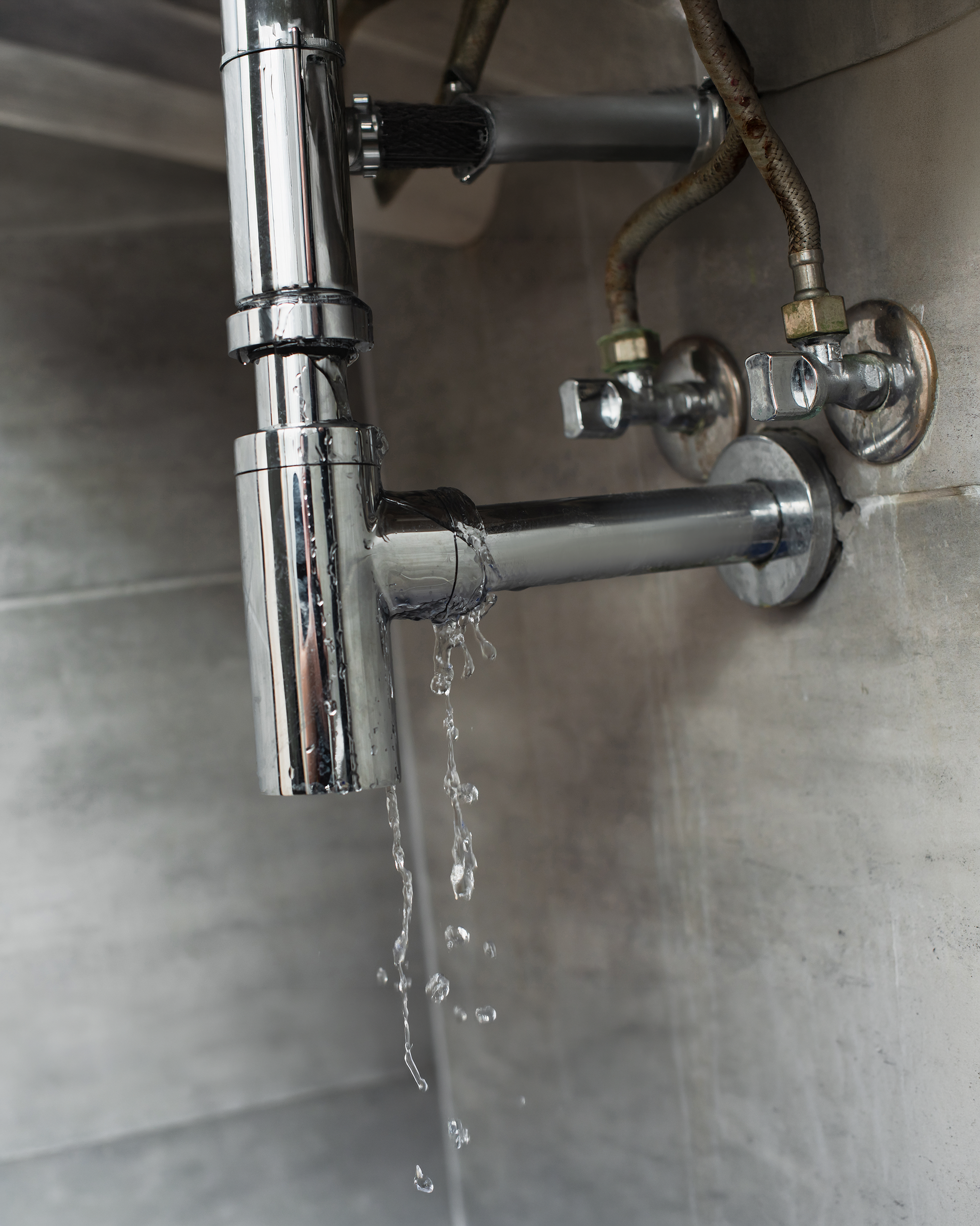
Not all leaks are dramatic - The worst damage usually comes from small, hidden leaks that go unnoticed for a long time - often behind walls, under floors, or beneath baths and showers.
Common causes include:
-
Pin‑hole leaks in copper pipes
-
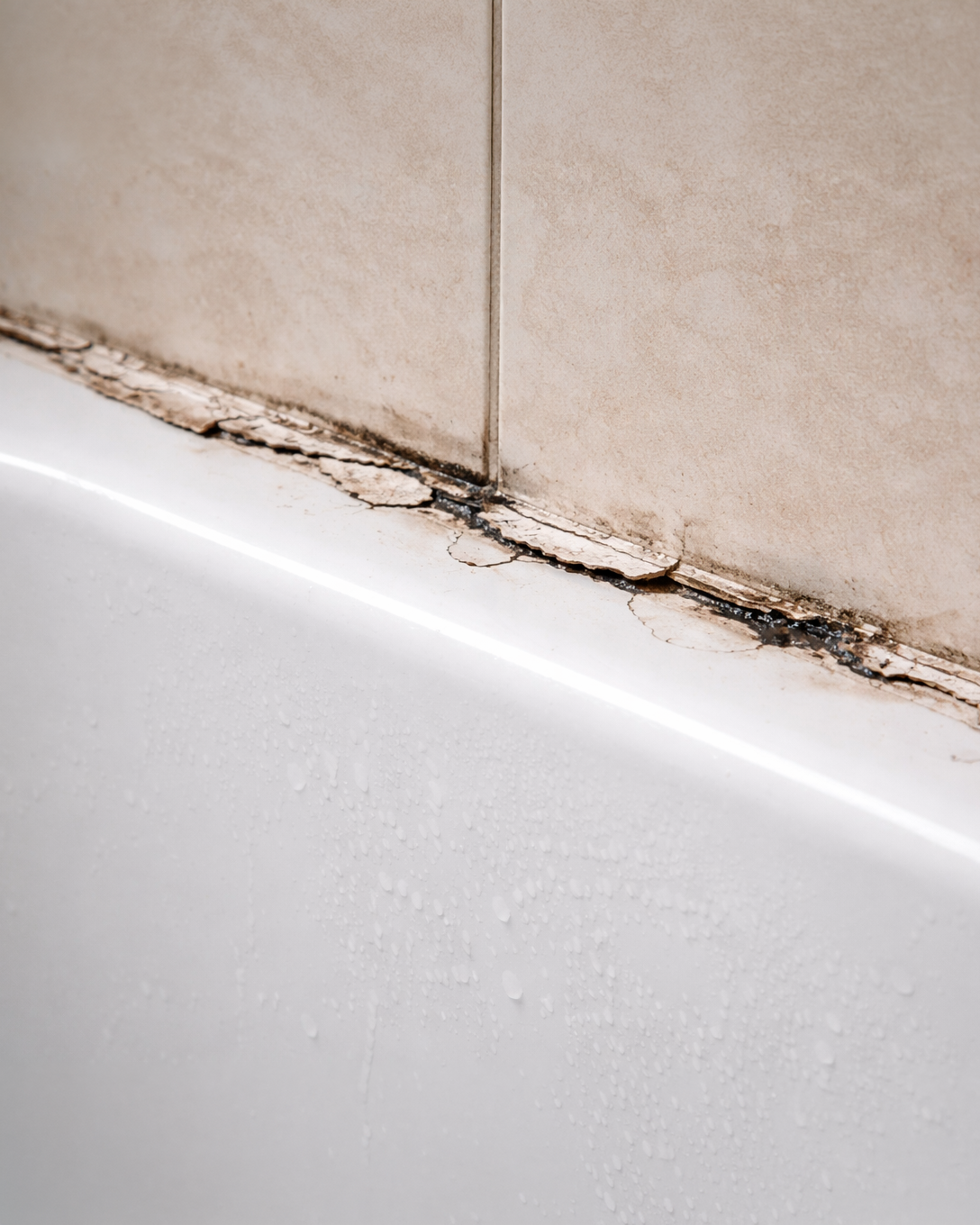
Failing seals around baths, showers and shower screens
-
Leaking waste pipes
-
Poorly maintained plumbing
-
Low‑level leaks from washing machines, dishwashers and hot water cylinders
These slow leaks allow water to soak into the fabric of your home - plasterboard, timber, insulation - leading to mould, structural damage, and long repair times.
It’s important to note that insurance is designed to cover sudden and unexpected damage. Issues that develop gradually over time due to wear, tear or lack of maintenance may not be covered under most home insurance policies.
Most insurers also include a condition requiring homeowners to adequately maintain their property. Regular inspection and upkeep of plumbing, seals and appliances can help reduce the risk of damage and potential issues with claims.
What You Can Do to Protect Your Home
A little proactive maintenance can prevent a lot of stress later. Here are some key steps you can take:
Check and replace bathroom seals regularly
Silicone sealant around baths and showers degrades over time. Replacing worn seals is a simple, inexpensive way to avoid major damage.
Monitor accessible pipes and fittings
Take a moment every few months to look under sinks, behind toilets, around washing machines and dishwashers. Even a small drip can cause significant damage if left unnoticed.
Consider installing moisture-detecting leak sensors
These small, low‑cost devices can be placed under sinks, baths, and appliances. Many can send alerts to your phone if moisture is detected—helping you act before a minor leak becomes a major issue.

Inspect gutters and downpipes
Blocked or overflowing gutters can force water into your home. Clearing them twice a year helps prevent avoidable damage.
Turn off your water when you're away
If you're leaving home for a holiday or business trip, switching off your water at the stop tap can prevent unexpected surprises when you return.
Keep hot water cylinders and boilers serviced
Annual servicing helps identify problems early and reduces the risk of leaks from aging or faulty equipment.
Why This Matters
Escape of water doesn't just damage floors and ceilings - it affects everyday life.
Typical escape of water claims often require:
-
Specialist drying equipment
-
Removal and replacement of plasterboard, flooring, skirting and insulation
-
Temporary accommodation while works are carried out
-
Long repair times due to modern building materials retaining water
By taking preventative steps and maintaining your home, you can significantly reduce the risk of major disruption - and help ensure you meet the conditions of your insurance policy.
We're Here to Help
Our aim is to support you in protecting your home. Over the coming months, we'll be sharing more guidance, practical tips, and updates about ways you can safeguard your property from escape of water.